
Taraweeh Prayer: Importance, Rak’ahs and Benefits
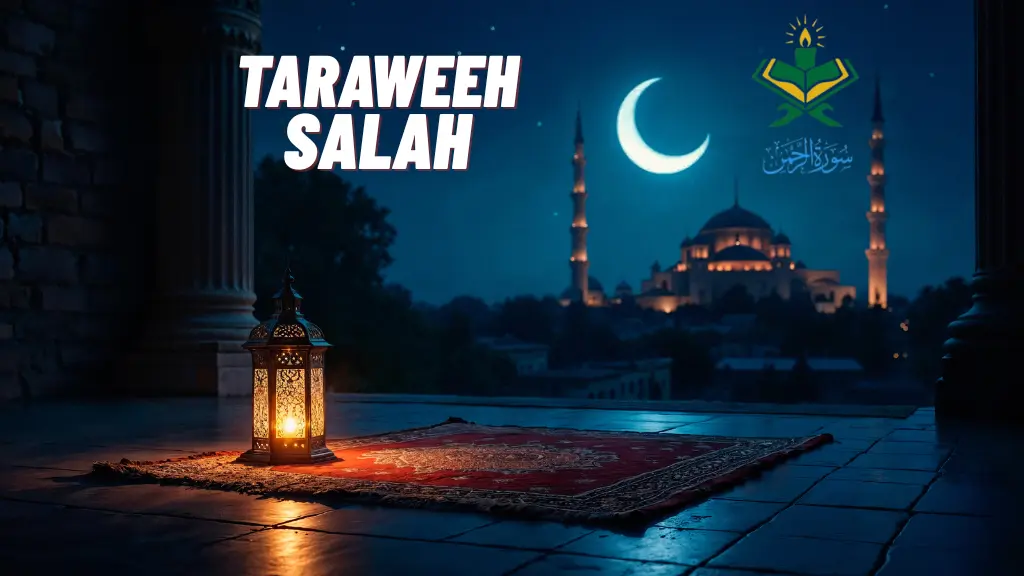
Ramadan 2026 is bringing a new spiritual freshness for Muslims all over the world, and a great opportunity for closeness to Allah and worship. One of the brightest acts of worship in this blessed month is the Taraweeh prayer, which illuminates hearts with the light of the Holy Quran. Tarawih Salah is a form of worship in which standing, recitation, humility, and love for Allah come together in one place.
Importance of Taraweeh Prayer
Taraweeh is not just a collection of rak’ahs, but it is a means of healing hearts, a light of peace of mind, an effective means of spiritual training, a strong thread of connection with the Qur’an, and the sun of collective unity of the Muslim Ummah. All of this together fills the hearts with light. Taraweeh in Ramadan is that spiritual support for every Muslim that reduces difficulties, fatigue, and the pressure of daily life and brings man closer to Allah.
The Bright Status of Salat e Taraweeh
Taraweeh is the great act of worship during Ramadan that the Muslim Ummah has always held in high esteem. Islamic jurists, the Companions, the Followers, and all schools of thought agree that Taraweeh is a Sunnah Mu’akkada—a Sunnah that the Messenger of Allah (ﷺ) practised and desired to continue among the Ummah.
The Prophet (ﷺ) would pray during the nights of Ramadan, his Companions would join him, and the spiritual quality of that moment would be such that his heart would be filled with humility and submissiveness. He (ﷺ) said:
“Whoever prays in Ramadan with faith and in the hope of achieving reward, his previous sins will be forgiven.”
This blessed Hadith illustrates the spiritual greatness of Taraweeh. This act of worship is not just a collection of voluntary acts, but rather a gateway to forgiveness, purification, and the love of Allah.
History of Taraweeh Prayer
Taraweeh dates back to the blessed era of the Holy Prophet (peace and blessings of Allah be upon him). The Prophet (peace and blessings of Allah be upon him) prayed in congregation with his companions for a few nights of Ramadan. The companions were so impressed by the spiritual quality of this prayer that they would remain immersed in worship throughout the night. But the Messenger of Allah (peace and blessings of Allah be upon him) later abandoned the congregation, fearing that this prayer would become obligatory on the entire ummah and that people would suffer hardship.
Time passed, the nights of Ramadan continued to come, and the companions continued to pray on their own. Then, during the caliphate of Hazrat Umar Farooq (may Allah be pleased with him), that revolutionary moment came when he transformed Taraweeh into an organised congregational prayer for the convenience of the ummah. He gathered the people behind a single imam and introduced the method of collective prayer with the recitation of the Quran. On this occasion, Hazrat Umar (may Allah be pleased with him) uttered the historic phrase:
That is, “This is a very beautiful act.”
This decision was not just an administrative one, but a declaration of spiritual greatness—a decision that made the nights of Ramadan luminous until the Day of Judgment. Today, in Ramadan 2026, the same Sunnah is alive in mosques around the world. The same rows are formed, the same recitation of the Quran resonates, the same joy of standing descends into the hearts, and the same shadows of mercy draw man closer to Allah. The Taraweeh gatherings remind us of Hazrat Umar’s foresight, love of religion, and determination to make things easy for the Ummah.
Number of rak’ahs in Taraweeh?
The number of rak’ahs in Taraweeh has always been a matter of scholarly debate, but the mood and practical tradition of the Ummah explain this issue in a very balanced way. Research on Islamic websites, the fatwa sections of Darul Uloom, and various schools of thought agree that the real spirit of Taraweeh is not the number, but the standing, recitation, and humility. However, some of the opinions regarding this prayer, according to different religious schools of thoughts are as follows.
1. 20 rak’ahs
The majority of the Islamic world, including all four schools of jurisprudence, adheres to 20 rak’ahs. During the nights of Ramadan, only 20 rak’ahs are usually performed in mosques, as this is a strong sunnah that has been going on for centuries.
2. 8 rak’ahs
Some scholars also consider 8 rak’ahs to be legitimate and permissible, arguing that the real purpose of standing is not the abundance of rak’ahs, but rather listening to the Quran and deepening in worship.
3. Final Verdict
The real spirit of Taraweeh is not in the number of rak’ahs, but in the heart being bowed down to Allah, as the verses of the Quran descend into the heart, and there is peace in worship.
A view of Ramadan 2026
In 2026, both types of Taraweeh will be performed in mosques worldwide. Some mosques will stick to 20 rak’ahs, while others will offer 8 rak’ahs — and Muslims will be able to choose according to their convenience, ability, and religious inclination.
Completing the Quran in Taraweeh
The most beautiful spiritual feature of Taraweeh is the complete recitation of the Quran. The nights of Ramadan are illuminated by this light when every verse opens the windows of the heart and every bow strengthens faith. Most mosques strive to complete the entire Quran in the entire month. The tradition of completing the Quran in Ramadan 2026 will emerge in a new way, as the world is changing rapidly, and new facilities have also been added to the methods of worship.
Spiritual Benefits of Taraweeh
There are so many spiritual benefits of offering this prayer, along with the rewards in paradise. During the holy month of Ramadan, the blessings of Allah are at their peak, which increases further with performing this Salah. Some of the spiritual benefits of Taraweeh prayer are as follows.
1. Cleanliness of the heart
The fatigue of the day, tension, financial worries, and mental anxiety cloud the heart of a person. Standing in Taraweeh clears this fog. It feels as if a burden has been lifted from the depths of the heart.
2. Spiritual peace and closeness to Allah
Long-standing recitation of verses, and the softness of prostrations – all these make a person taste the love of Allah. Taraweeh gives that peace that cannot be found with all the efforts of the day.
3. The door to forgiveness of sins
According to the blessed hadith, whoever stands in Ramadan with faith and hope, his previous sins are forgiven. Taraweeh is not just a prayer; it is an open door to forgiveness.
4. Connection with the Quran
Listening to the word of Allah daily gives new life to the heart. In each rak’ah, the verses of the Quran create new waves of faith within a person. This is a great spiritual practice which increases our love of the Quran.
Physical Benefits of Taraweeh
Along with spiritual benefits, this splendid prayer is also beneficial for our bodies. There are many physical issues, troubles and disturbances which can be solved by performing this prayer regularly during Ramadan. Some of the most prominent physical benefits of this prayer are as follows.
Blessings of Taraweeh Night
As the evening of Ramadan 2026 sets in, a strange, luminous atmosphere will emerge. When people go out for Taraweeh after Iftar, a special spiritual spring will be felt everywhere. The series of soft lights on the streets.The cool air in the houses and the aroma of preparations for Sehri.The recitation of the Quran rising from the mosques. Children walking with their parents. Women performing Taraweeh in a dignified manner at home

These moments give a sense of peace to the human heart that is not found throughout the year. This is why Taraweeh has become not just a prayer but the most beautiful tradition of Ramadan. In Ramadan 2026, too, these scenes will connect Muslims around the world — in a strong thread of love, faith, and spiritual connection.
Women and Taraweeh
This splendid prayer is as important for women as for men. Women also make special arrangements for offering this prayer at home with great devotion and dedication. Separate Taraweeh halls, security, and special facilities are provided for women in many countries, so that they can worship with peace and comfort. Many women lead collective Taraweeh prayers with children and sisters in their homes — this trend will further strengthen the spiritual environment in families. In 2026, Taraweeh prayers, guided classes, and Quran circles will be held in several Islamic centres led by female reciters. All these factors will further illuminate the spiritual status and role of women.
FAQs
Conclusion
All these details make clear the fact that Taraweeh is the spiritual heartbeat of Ramadan 2026—a worship that illuminates hearts, brings blessings to homes, and unites the Ummah in one line. Despite the modern-day busyness, inflation, social media, and mental stress, Taraweeh is the strongest source of peace, mercy, closeness to God, and spiritual refreshment for a Muslim.
This prayer not only refreshes faith but also cleanses a person of sins, softens the heart, and strengthens the soul. Taraweeh in Ramadan 2026 is not just an act, but a journey—toward Allah, toward peace, and toward the light that man needs more than ever today. May Allah make this worship a cause of guidance, ease, and blessing for the entire Ummah. Ameen.